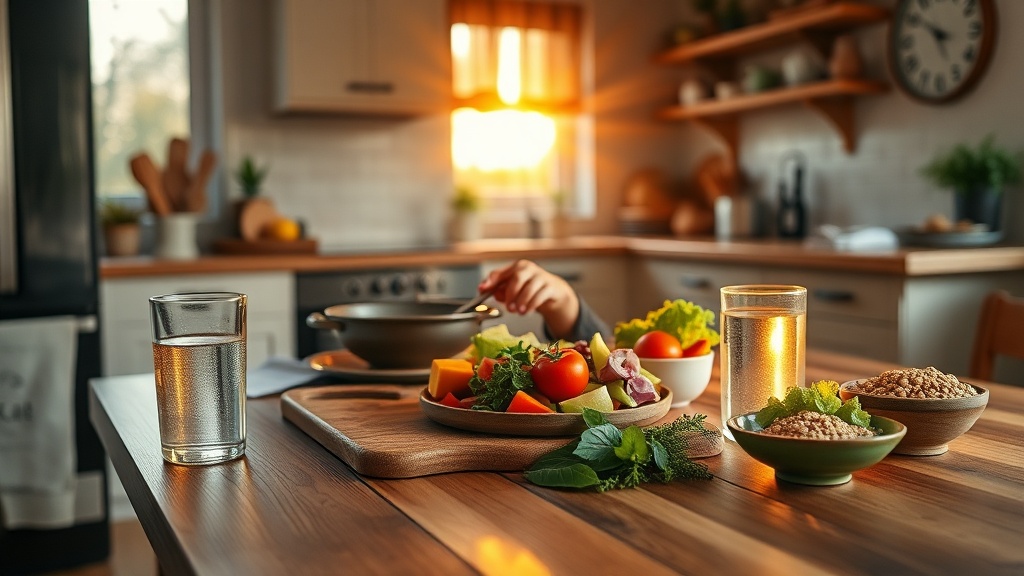
Bio‑Harmony: Align Your Meals with the Circadian Rhythm in 2026

Hook
Ever notice how a late‑night pizza leaves you feeling foggy the next morning, while a sunrise smoothie seems to reset you? That isn’t coincidence—your body runs on a 24‑hour blueprint, and the foods you eat can either honor or sabotage that rhythm.
Context
In 2026, wellness seekers are moving beyond “what to eat” to when to eat. The term bio‑harmony is popping up in research circles, describing the sweet spot where nutrition, sleep, and daylight sync up. For grounded dreamers who crave structure without rigidity, understanding circadian‑aligned eating is a practical way to design a healthier day.
What Is Bio‑Harmony and Why Does It Matter?
Bio‑harmony is the practice of timing meals to match the body’s natural circadian phases. Your internal clock, governed by the suprachiasmatic nucleus (SCN) in the brain, regulates hormone release, metabolism, and gut motility. When you eat out of sync—for example, a heavy dinner at 10 p.m.—you can blunt insulin sensitivity, increase cortisol, and disrupt sleep quality.
Key takeaway: Aligning meals with daylight can improve energy, mood, and metabolic health without drastic diet overhauls.
Sources:
- Harvard Medical School – “Circadian Rhythm & Nutrition” (2023)
- Nature Reviews Endocrinology, “Time‑Restricted Feeding” (2024)
How Can I Sync My Meals With My Body Clock?
1. When Should I Eat?
| Time Window | Typical Foods | Why It Works |
|---|---|---|
| 6 a.m.–10 a.m. | Light, protein‑rich breakfast (e.g., oatmeal with nuts, fruit, tea) | Cortisol peaks in the early morning, priming the body for glucose uptake. |
| 12 p.m.–2 p.m. | Balanced lunch — lean protein, complex carbs, veggies | Digestive enzymes are at their highest, supporting nutrient absorption. |
| 5 p.m.–7 p.m. | Moderate dinner — fish or plant‑based protein, roasted veg, small carbs | Aligns with the body’s “metabolic lull” before the evening melatonin surge. |
| After 8 p.m. | Optional light snack (e.g., herbal tea, a few almonds) | Keep it minimal; heavy meals can delay melatonin, impair sleep. |
2. Light Exposure Matters
- Morning sunlight (30‑45 min) tells the SCN it’s day, sharpening the insulin response for breakfast.
- Evening dim light (warm bulbs, screen‑free) cues melatonin, signaling it’s time to wind down.
Pro tip: Open your curtains as soon as you rise; avoid bright screens after 9 p.m.
3. Hydration Timing
- Start the day with a glass of water (add a slice of lemon for a gentle digestive cue).
- Sip consistently throughout the day, but limit large volumes right before sleep.
Which Foods Support Circadian Balance?
| Food Group | Best Choices | Circadian Benefit |
|---|---|---|
| Proteins | Wild‑caught salmon, lentils, tempeh | Provide steady amino acids that don’t spike insulin. |
| Complex Carbs | Steel‑cut oats, quinoa, sweet potatoes | Release glucose slowly, matching the body’s daytime energy demand. |
| Healthy Fats | Avocado, walnuts, extra‑virgin olive oil | Support hormone production, including melatonin at night. |
| Fermented | Kombucha, sauerkraut, miso | Gut microbiome follows a diurnal rhythm; timed probiotics aid digestion. |
| Herbs & Spices | Turmeric, ginger, cinnamon | Anti‑inflammatory properties that complement the body’s repair cycle. |
How Does Bio‑Harmony Fit Into the 2026 Lifestyle Trend Landscape?
- Data‑Driven Wellness — Wearables now track not just steps but blood glucose and core temperature in real time, giving feedback on optimal eating windows.
- Sustainable Eating — Aligning meals reduces food waste; you’re more likely to finish what you start when meals feel natural.
- Holistic Design — Maya’s “Dream‑to‑Draft Framework” encourages architects of life to map when actions occur, not just what they are. Bio‑harmony is the nutritional layer of that blueprint.
Related reads:
- Daylight Saving Shift: Keep Your Morning Productivity on Track
- The Dream‑to‑Draft Framework: Why Manifesting Without a Site Plan Fails
- 5 Somatic Practices to Calm Anxiety in 2026 — A Grounded Guide
- Minimalist Somatic Journaling Tools: 3 Essentials for Grounded Dreamers
What Common Mistakes Should I Avoid?
| Mistake | Why It Hurts | Fix |
|---|---|---|
| Eating late, heavy meals | Disrupts melatonin, raises cortisol | Shift dinner to 5‑7 p.m.; keep post‑8 p.m. snacks light. |
| Skipping breakfast | Misses cortisol peak, leads to blood‑sugar crashes later | Start with a protein‑rich, low‑glycemic breakfast. |
| Ignoring light cues | Body clock drifts, making timing ineffective | Get morning sunlight; dim lights after sunset. |
| Inconsistent windows | Confuses metabolic rhythm | Aim for the same three windows daily; weekend variations are okay but stay within ±1 hour. |
How Can I Create My First Bio‑Harmony Blueprint?
- Morning (6‑10 a.m.) — Warm water, lemon, oatmeal with nuts, and a short walk in natural light.
- Midday (12‑2 p.m.) — Balanced lunch: quinoa bowl, roasted veg, salmon, and a glass of water.
- Evening (5‑7 p.m.) — Light dinner: lentil stew, sautéed greens, a drizzle of olive oil.
- After 8 p.m. — Optional herbal tea; no heavy foods.
- Night — Dim lights, screen‑free, and a brief gratitude journal entry (your somatic ritual).
Start with one day, observe how your energy shifts, and adjust the windows to fit your personal rhythm. Bio‑harmony isn’t about rigidity; it’s about architecting your nutrition to flow with the day’s natural structure.
FAQ (Featured Snippet Ready)
What is bio‑harmony?
Bio‑harmony is the practice of timing meals to align with the body’s circadian rhythm, optimizing metabolism, mood, and sleep.
How does circadian rhythm affect digestion?
The SCN regulates hormone release (cortisol, insulin, melatonin) that influences gastric motility and glucose handling; eating when these hormones are optimal improves nutrient absorption.
What are ideal eating windows for 2026?
A practical framework is 6‑10 a.m., 12‑2 p.m., and 5‑7 p.m., with only light snacks after 8 p.m.
Do I need a strict schedule?
Consistency matters more than perfection; aim for the same windows daily, allowing a ±1‑hour flexibility on weekends.
Can I use a wearable to track my circadian eating?
Yes—many 2026 wearables now provide real‑time glucose and core‑temperature data, helping you fine‑tune meal timing.
Tags: bio‑harmony, circadian rhythm, 2026 trends, wellness, nutrition
Categories: Mind & Mood, Daily Practice