From Alarm to Ease: Understanding Your Body's Stress Signals for Lasting Calm

What Exactly Is Our Body Trying to Tell Us When We Feel Stressed?
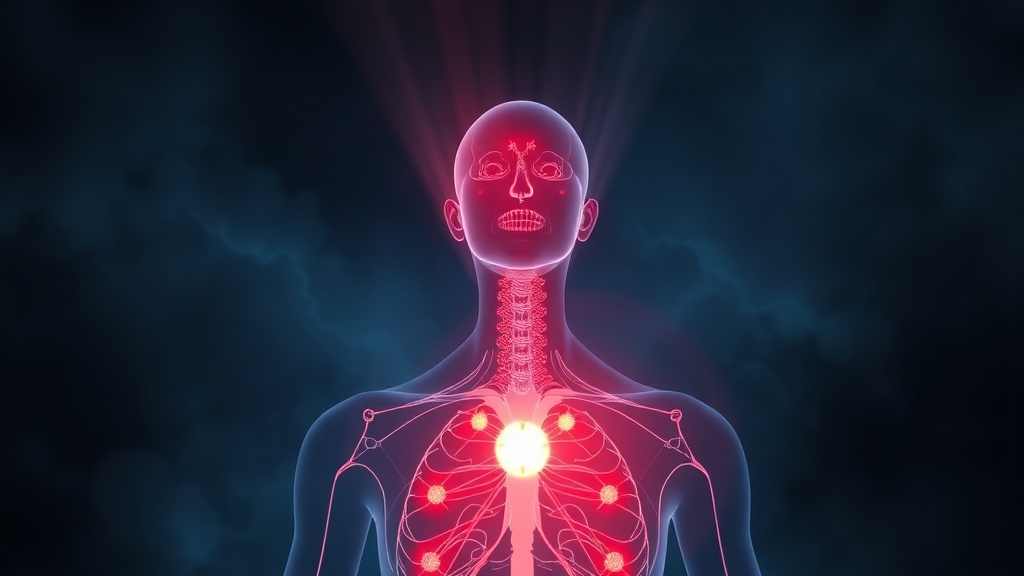
Our bodies are constantly communicating with us, sending subtle—and sometimes not so subtle—signals about our internal state. When stress becomes a constant companion, these signals amplify, often manifesting as physical tension, a racing heart, or a foggy mind. This post will explore the intricate language our bodies use to express stress and, more importantly, equip you with practical, body-centered approaches to decipher these messages and cultivate a more profound sense of calm and presence in your daily life.
You see, stress isn't just a mental phenomenon; it's a deeply embodied experience, rooted in our ancient survival mechanisms. When perceived threat enters the picture—whether it's a looming deadline, a difficult conversation, or simply the relentless pace of modern life—our autonomic nervous system springs into action. Specifically, the sympathetic branch, often called the 'fight or flight' response, kicks in. This cascade of physiological changes is designed to prepare us for immediate action: our heart rate increases, breathing becomes shallow and rapid, muscles tense, and digestion slows down. Cortisol and adrenaline surge through our system, providing the energy needed to confront or flee danger. For a deeper dive into this incredible biological process, the