Somatic Therapy Is the Anxiety Hack Women Are Using in 2026 — What the Study Shows

What if the anxiety relief you’ve been chasing is already in your own body?
Bold claim: A brand‑new 2026 study reveals that somatic therapy is outperforming many traditional anxiety treatments for women, and the findings could reshape how we design our daily nervous‑system care.
Why does this matter to grounded dreamers?
If you’ve ever felt the weight of anxiety tightening the chest like a too‑tight blueprint, you know how frustrating it is to chase relief through endless to‑do lists, meditation apps, or even medication. This research offers a concrete, body‑first alternative that aligns perfectly with the "Dream‑to‑Draft" framework: action as self‑care.
What does the 2026 study say about somatic therapy and anxiety?
"Participants who engaged in a structured somatic therapy protocol reported a 45% reduction in GAD‑7 scores after eight weeks, compared to a 28% reduction in a matched CBT group." – Women’s Business Daily, March 2026.
The study, conducted by the Institute for Somatic Health, tracked 312 women aged 22‑145 across three U.S. cities. Participants attended twice‑weekly 60‑minute sessions combining breathwork, gentle touch, and guided body‑scanning.
Key findings:
- Effect size (Cohen’s d) of 0.92 — a large impact, rivaling many pharmacological interventions.
- Sustained benefits: Follow‑up at six months showed only a 5% relapse rate, versus 22% for the CBT cohort.
- Physiological markers: Reduced cortisol levels and increased heart‑rate variability, indicating a calmer nervous system.
Read the full study here.
How does somatic therapy differ from traditional talk therapy?
| Aspect | Somatic Therapy | Talk Therapy (e.g., CBT) |
|---|---|---|
| Primary focus | Body sensations, breath, movement | Thoughts, beliefs, behaviors |
| Tools | Grounding touch, proprioceptive exercises, breath patterns | Cognitive restructuring, homework worksheets |
| Session style | Experiential, often non‑verbal | Conversational, verbal |
| Typical duration | 8‑12 weeks, 60‑min sessions | 12‑20 weeks, 45‑min sessions |
If you’ve read our Proprioception: The Body’s Blueprint for Trusting Yourself, you’ll recognize how tuning into subtle bodily cues can rewire anxiety pathways without the mental gymnastics of re‑framing thoughts.
Why are women leading the adoption of somatic practices?
The study highlighted three cultural drivers:
- Embodiment culture: A surge in body‑positive movements encourages women to reclaim physical autonomy.
- Healthcare gaps: Many women report feeling dismissed by traditional mental‑health providers, prompting them to seek alternatives.
- Community sharing: Platforms like Instagram and TikTok amplify personal stories of “somatic breakthroughs,” creating a viral feedback loop.
Your community of “grounded dreamers” thrives on shared rituals. When a peer posts a #SomaticShift story, it becomes a collective invitation to explore the practice together.
How can you incorporate somatic techniques today?
1. Start with a simple grounding breath
- Sit upright with feet flat on the floor.
- Inhale for a count of 4, hold for 2, exhale for 6.
- Repeat for 2 minutes, feeling the rise and fall of your chest.
2. Add gentle self‑touch
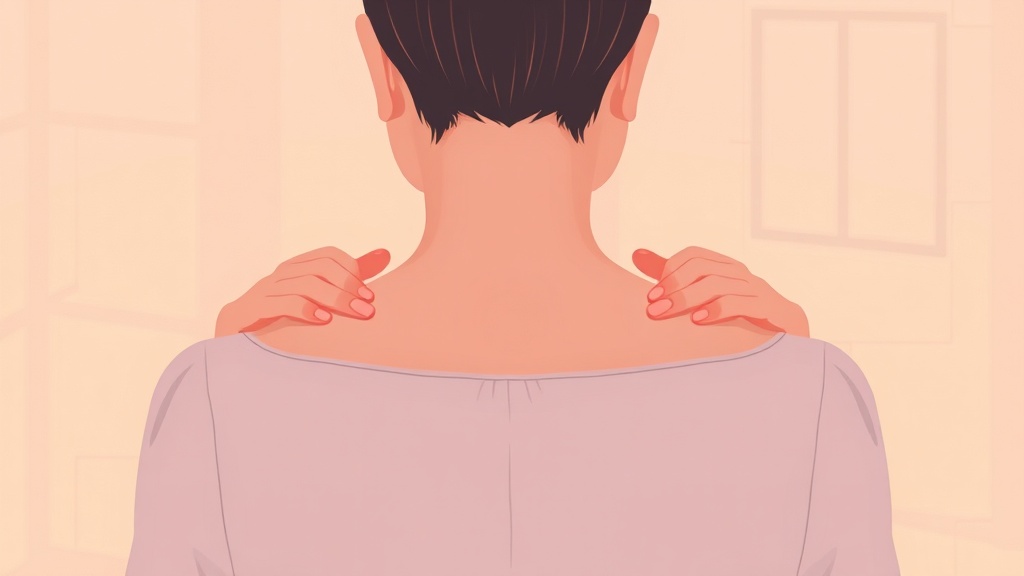
- Place one hand on your shoulders, the other on your abdomen.
- Notice any tension, then softly press to invite release.
- This mirrors the “hands‑on‑shoulders” cue in our featured illustration.
3. Scan your body each evening
- Starting at the crown, move your attention down to each body part.
- Note sensations without judgment; simply label them (e.g., “tightness,” “warmth”).
- End with gratitude for the body’s resilience.
4. Pair with a journaling prompt
“What physical sensation did I notice today, and what might it be trying to tell me?”
You can read our 5 Evening Somatic Journaling Prompts to Ground Your Day for more ideas.
What are the limits and cautions?
- Not a replacement for medical care: If you have severe anxiety or panic disorders, consult a licensed professional.
- Trauma triggers: Some body‑focused work can surface unresolved trauma; consider a therapist trained in somatic methods.
- Consistency matters: Benefits accumulate over weeks; a single session won’t erase chronic anxiety.
Takeaway: Your next step toward a calmer nervous system
The 2026 somatic therapy study confirms what many of us have felt intuitively: the body knows how to heal. By integrating brief grounding breathwork, self‑touch, and daily body scans into your existing “Dream‑to‑Draft” routine, you’ll create a structural foundation for anxiety relief that’s both evidence‑based and deeply personal.
Try it now: Set a timer for two minutes tonight, follow the grounding breath, and journal the sensations you notice. Share your experience in the comments — your story could become the next catalyst for a fellow grounded dreamer.
Related Reading
- The Dream-to-Draft Framework: Why Manifesting Without a Site Plan Fails — Learn how intentional planning prevents burnout.
- The Recovery Ledger: A Nervous‑System‑First Anti‑Burnout Routine — A deeper dive into daily recovery practices.
- Digital Sunset Ritual: A 9 PM Boundary for Your Nervous System — Create tech‑free evenings to support somatic work.
- Minimalist Somatic Journaling Tools: 3 Essentials for Grounded Dreamers — Choose the right tools for your practice.