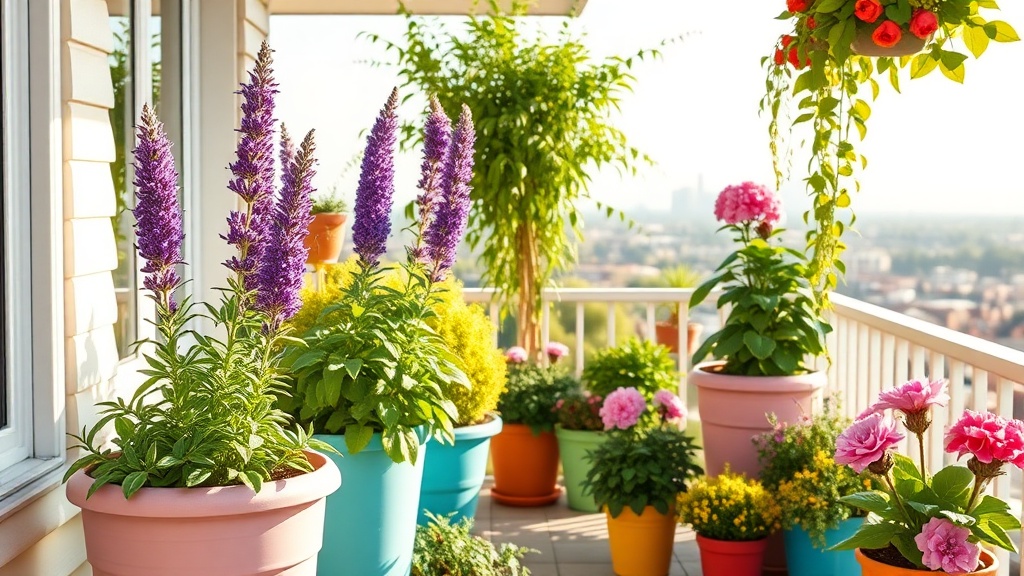
Spring Refresh: Designing a Pollinator‑Friendly Balcony Garden for Urban Dwellers

Why a Pollinator‑Friendly Balcony Garden?
Spring is the perfect time to invite life back onto your balcony. As daylight lengthens and temperatures rise, native bees, butterflies, and hoverflies emerge, hungry for nectar and pollen. By creating a pollinator‑friendly garden, you not only brighten your own space but also support urban biodiversity—a small act that ripples through the ecosystem.
What Plants Attract Pollinators on a Balcony?
Choosing native, low‑maintenance plants ensures you get the most buzz for your effort. Here are five reliable options that thrive in containers:
- Lavender (Lavandula angustifolia) — Fragrant spikes that lure honeybees and butterflies.
- Bee Balm (Monarda didyma) — Tubular red flowers loved by bumblebees and hummingbirds.
- Butterfly Bush (Buddleja davidii) — Long‑lasting clusters that attract a variety of butterflies.
- Salvia (Salvia nemorosa) — Drought‑tolerant spikes that draw solitary bees.
- Native Wildflowers Mix — A seed blend of local species provides continuous bloom from early spring to fall.
All of these plants are hardy in the Pacific Northwest climate and adapt well to the limited soil depth of balcony containers.
How Much Sunlight Does a Balcony Garden Need?
Most pollinator favorites require at least 5‑6 hours of direct sunlight daily. If your balcony is shaded, opt for shade‑tolerant varieties like Heuchera or Astilbe, and place pots where they catch the morning sun.
Step‑by‑Step: Setting Up Your Low‑Water Habitat
- Assess Your Space — Measure the width, depth, and weight limit of your balcony. Use sturdy, lightweight containers (e.g., fabric grow bags) that stay under the load rating.
- Choose the Right Soil — A 1:1 mix of high‑quality potting soil and coarse sand improves drainage and reduces water retention.
- Plant Strategically — Place taller plants like butterfly bush at the back, medium‑height lavender in the middle, and low‑growers such as thyme along the front edge. This creates tiered visual interest and easy access for pollinators.
- Install a Simple Irrigation System — A self‑watering reservoir (e.g., a recycled plastic bottle with a wick) provides a slow, steady moisture source, cutting water use by up to 30%.
- Add Habitat Features — Sprinkle a handful of flat stones or a small pile of untreated wood to give solitary bees places to nest.
- Maintain Minimal Water — Water early in the morning once the soil surface feels dry to the touch. Mulch with shredded bark to retain moisture and suppress weeds.
For a deeper dive into low‑water gardening, see our guide on creating sustainable micro‑habitats at home.
When and How to Feed Your Balcony Garden?
During the first two weeks, feed plants with a balanced, organic liquid fertilizer (e.g., fish emulsion) at half the recommended strength. After the establishment period, let the soil’s natural microbes take over—this aligns with the bio‑harmony principle of working with, not against, nature.
How to Track Your Garden’s Impact?
Keep a simple somatic journaling entry each week: note which insects you see, how many blossoms are opening, and any water savings you observe. Over time you’ll notice a subtle shift—your balcony becomes a living extension of your inner architecture.
What’s Next? Expanding the Habitat
Once your balcony is humming, consider adding a vertical trellis for climbing beans or a small herb patch. Both provide additional nectar sources and give you fresh kitchen ingredients—closing the loop between nourishment and nature.
Takeaway
Designing a pollinator‑friendly balcony garden is a tangible, spring‑time act of bio‑harmony. By selecting native plants, using low‑water containers, and inviting solitary bees to nest, you create a thriving micro‑ecosystem that beautifies your home and supports urban biodiversity. Grab a pot, plant a seed, and let the season’s buzz become part of your daily practice.