Why You Should Try a Low-Stimulation Evening

It is 9:30 PM. You are sitting on your sofa, scrolling through a news feed or watching a high-intensity Netflix series. Your eyes feel heavy, yet your brain feels wired. Even though you are physically exhausted, you find it impossible to transition into sleep because your nervous system is still processing a constant stream of blue light, rapid visual changes, and dopamine-inducing notifications. This state of high arousal is the result of overstimulation, and a low-stimulation evening is a practical tool designed to lower your physiological baseline before sleep.
A low-stimulation evening is a structured approach to the final two to three hours of your day where you intentionally limit sensory input. Instead of adding more information to your brain, you are removing it. By reducing the load on your visual, auditory, and cognitive systems, you allow your parasympathetic nervous system—the "rest and digest" branch—to take over from the sympathetic "fight or flight" system. This guide provides a blueprint for architecting a sensory-friendly evening routine that prioritizes neurological recovery.
The Science of Sensory Overload
To understand why low stimulation works, you must understand how the brain processes environmental inputs. Every time you receive a notification, hear a loud advertisement, or see a bright screen, your brain must allocate metabolic energy to process that data. For those dealing with high-stress jobs or burnout, this constant "data entry" keeps the nervous system in a state of hyper-vigilance.
When you engage in high-stimulation activities late at night, you are essentially delaying the production of melatonin. The blue light from devices mimics daylight, tricking the suprachiasmatic nucleus in your brain into thinking it is still daytime. Beyond light, "cognitive load"—the mental effort required to follow a complex plot or engage in a heated social media debate—keeps your cortisol levels elevated. A low-stimulation evening aims to minimize these inputs to facilitate a smoother transition into deep sleep cycles.
Step 1: Regulating Light and Visual Input
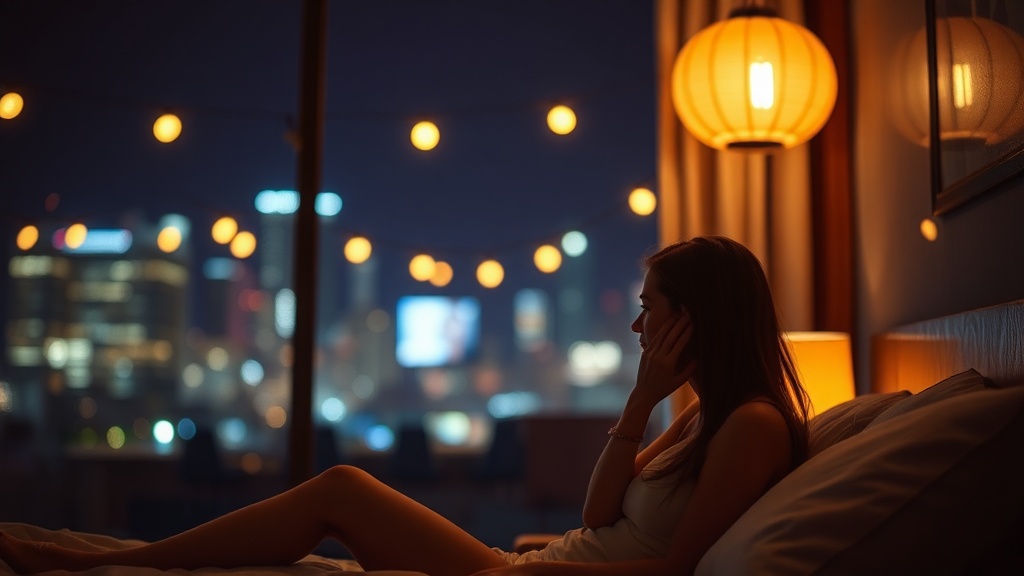
The most immediate way to lower stimulation is to address your visual environment. Light is one of the most potent regulators of our circadian rhythm. If you want to signal to your brain that the day is ending, you must change the quality and intensity of the light in your living space.
- Switch to Indirect Lighting: Turn off overhead "big lights" at least 90 minutes before bed. Instead, use floor lamps or table lamps with warm-toned bulbs (2700K or lower).
- Utilize Amber or Red Tones: If you must use light, look for smart bulbs like Philips Hue that allow you to set a "sunset" mode, or use salt lamps which emit a low-frequency, warm glow.
- Implement a Digital Sunset: This is the practice of setting a hard stop for screen time. If you cannot avoid screens, use a blue light filter like f.lux on your laptop or the "Night Shift" setting on your iPhone to shift the color temperature toward the warmer end of the spectrum.
- Dim the Environment: As you move through your evening, progressively dim the lights in each room you enter. This creates a visual cue for your brain to begin winding down.
Step 2: Auditory Management and Soundscapes
Just as bright lights can keep you awake, sudden or complex sounds can trigger a startle response, pulling you out of a relaxed state. A low-stimulation evening involves transitioning from complex audio to simple, predictable, or silent environments.
If you live in a noisy urban environment, silence might be difficult to achieve. In these cases, use "colored noise" to create a consistent auditory floor. White noise is often too harsh (containing all frequencies), so try Brown Noise. Brown noise has a much lower frequency, sounding more like a deep rumble or a distant thunderstorm, which is often more soothing to the nervous system. You can find high-quality, long-form Brown Noise tracks on Spotify or YouTube.
If you prefer music, avoid tracks with lyrics or complex time signatures. Instead, opt for ambient music or solo instrumental pieces. The goal is to provide a predictable background that does not demand your attention or force your brain to decode language.
Step 3: Reducing Cognitive Load
Cognitive load is the mental effort used in the working memory. If you spend your evening solving problems, planning tomorrow's schedule, or consuming high-stakes information, your brain remains in an "active" state. To mitigate this, you must move from "input" mode to "output" or "stillness" mode.
Instead of scrolling through a news app, try a low-stakes tactile activity. This could include reading a physical book (not an e-reader), journaling, or working on a puzzle. If your mind is racing with tasks for the next day, use a brain dump technique. Writing down every task, worry, or idea on a piece of paper physically moves the data from your working memory onto a tangible medium, allowing your brain to "close the file" for the night.
Avoid "decision fatigue" by automating your evening. Decide on your pajamas, your water glass, and your book before the low-stimulation period begins. This prevents you from having to make micro-decisions when your mental energy is already low.
Step 4: Somatic Grounding and Physical Transitions
The final stage of a low-stimulation evening involves moving the focus from your head to your body. This is where you can utilize somatic techniques to signal safety to your nervous system. When the body feels safe, the brain can follow suit.
Consider these specific physiological interventions:
- Temperature Regulation: A warm bath or shower can be highly effective. The subsequent drop in body temperature after you exit the water mimics the natural cooling process that occurs when we fall asleep, signaling the body to rest.
- Proprioceptive Input: Using a weighted blanket (such as those from Gravity or Bearaby) provides deep pressure stimulation. This can help ground a restless nervous system and reduce feelings of anxiety.
- Vagus Nerve Stimulation: You can incorporate gentle movements to stimulate the vagus nerve, such as slow, diaphragmatic breathing or gentle neck stretches. For more detailed techniques on calming your system, see our guide on using Vagus Nerve Stimulation to quiet your nervous system.
Building Your Custom Blueprint
A low-stimulation evening does not have to be a rigid, two-hour ritual. It is a modular system that you can adapt based on your energy levels and environment. If you have a particularly high-stress day, you might prioritize a longer period of silence and darkness. If you are feeling restless, you might prioritize tactile movement or a warm bath.
Start by selecting one change from each category. Perhaps tonight, you will simply turn off the overhead lights and put your phone in a different room at 9:00 PM. By implementing these structural changes to your evening, you are not just "trying to sleep"—you are architecting a physiological environment that makes sleep an inevitable outcome rather than a struggle.
"The goal is not to eliminate all activity, but to curate the level of input so that your nervous system can move from a state of reaction to a state of recovery."
As you build this habit, pay attention to how your body feels during the transition. Notice the difference between a night spent in high-stimulation and a night spent in a low-stimulation environment. This awareness is the first step in reclaiming your mental space and ensuring your rest is as restorative as it can be.