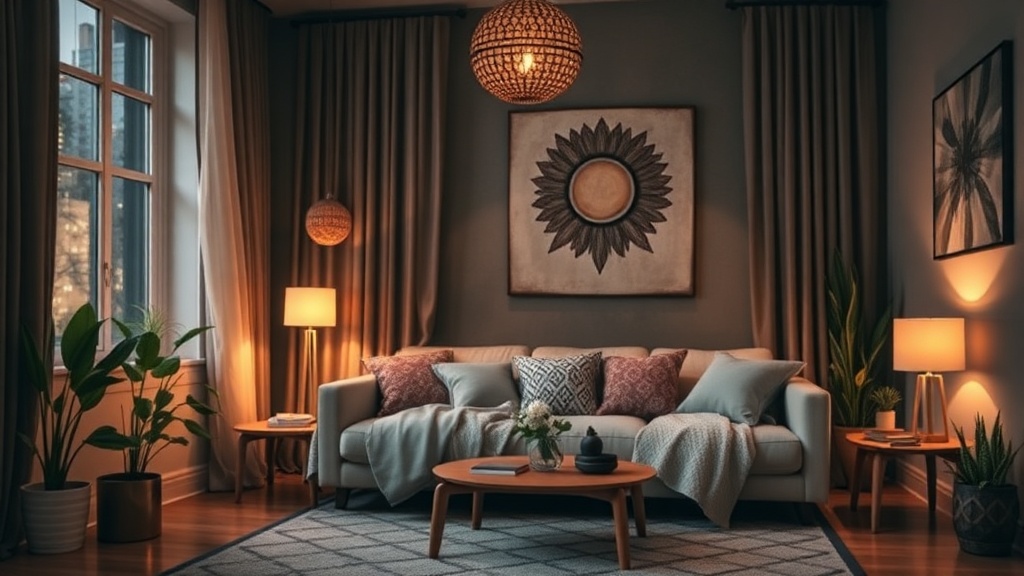
Creating a Low-Stimulation Sanctuary at Home

Imagine walking through your front door after a ten-hour day of bright fluorescent lights, constant Slack notifications, and the hum of city traffic. Instead of feeling a sense of relief, your nervous system feels like it’s still vibrating. This guide explores how to design a low-stimulation sanctuary—a dedicated space in your home that actively reduces sensory input to help your brain shift from high-alert to restorative rest. We'll look at the structural elements of light, sound, and texture to help you build a home that actually supports your mental health.
What is Sensory Overload and How Does It Affect You?
Sensory overload occurs when your brain receives more input from your environment than it can process, leading to irritability, fatigue, or even physical pain. It isn't just "being sensitive"; it's a physiological response where the nervous system stays stuck in a sympathetic state (fight or flight). When your home is filled with visual clutter, harsh lighting, or constant background noise, your brain never gets the signal that it is safe to rest.
Think of your brain like a circuit breaker. If too many appliances are running at once, the breaker trips to prevent a fire. Your body does the same thing through burnout or shutdowns. If you find yourself feeling easily startled or unable to focus, you might be living in a high-stimulation environment without realizing it.
To understand this better, you might want to look at how to understand your body's stress signals. Recognizing these cues is the first step toward redesigning your space.
How Can I Reduce Visual Stimulation in My Living Space?
Reducing visual stimulation involves minimizing high-contrast colors, clutter, and unnecessary patterns to create a "quiet" visual field. A cluttered room isn't just messy—it's a series of tiny tasks for your eyes to process.
The goal isn't to live in a white box (which can actually be too sterile and jarring), but to find a balance of low-contrast elements. I used to design spaces with bold, geometric patterns that felt "exciting" in a blueprint. Now, I realize those same patterns can be exhausting for a tired brain. Instead, look for organic shapes and muted tones.
- Color Palettes: Stick to earth tones or "analogous" colors—colors that sit near each other on the color wheel. Think sage green, soft ochre, or muted terracotta.
- Surface Management: Clear your flat surfaces. A coffee table covered in mail and remote controls creates "visual noise."
- Lighting Layers: Avoid the "big light" (the overhead fixture). Use lamps with warm-toned bulbs to create soft pools of light rather than one harsh, even glare.
A great way to start is by auditing your surfaces. If a surface is covered in small, high-contrast objects, your eyes are constantly working to "read" that space. Hide the clutter in closed cabinetry rather than open shelving. It's a simple structural change that makes a massive difference in how your brain perceives a room.
What Kind of Lighting is Best for Relaxation?
Warm-toned, indirect lighting is the best choice for a low-stimulation environment because it mimics the natural progression of sunset. Harsh, blue-toned light from standard LED bulbs or laptop screens can suppress melatonin production and keep your brain in a state of high alertness.
If you want to upgrade your lighting, look for "warm dim" technology or smart bulbs that allow you to adjust the color temperature. Brands like Philips Hue offer excellent control over the light's warmth. You can set a routine where your lights gradually shift from cool white during the day to a soft, amber glow in the evening.
| Light Type | Effect on Nervous System | Best Use Case |
|---|---|---|
| Overhead LED | High Alert / High Cortisol | Productivity/Cleaning |
| Warm Lamp Light | Relaxation / Melatonin Support | Evening Reading/Winding Down |
| Salt Lamps/Candles | Deep Grounding / Low Stim | Meditation/Sensory Breaks |
One thing to remember: light is a structural element. Just as a wall defines a room, light defines the mood. A single lamp in a dark corner can feel much more soothing than a ceiling light that reaches every corner of the room. It creates "pockets" of intimacy and safety.
How Do I Manage Auditory Overload at Home?
Managing auditory overload requires a combination of soundproofing, masking, and intentional silence. For many, the silence of a house is actually "too loud" because the brain begins to hyper-focus on small, jarring noises like the hum of a refrigerator or a distant siren.
Instead of fighting the noise, try to "smooth" it out. This is where white noise or brown noise becomes a tool rather than a distraction. While white noise is a high-frequency static, brown noise (which has much lower frequencies) often feels more grounding and less "sharp" to the ears. You can find high-quality, long-form tracks on platforms like YouTube or dedicated apps to help drown out the unpredictable sounds of the outside world.
If you're working from home, a physical boundary is also helpful. A heavy rug or thick curtains can act as an acoustic dampener. These aren't just aesthetic choices—they are functional tools to absorb sound waves. If you've ever noticed how a room with bare walls feels "echoey" and loud, you've experienced the lack of acoustic texture.
Sometimes, the best way to reset is to lean into a sensory toolkit. If the noise is too much, it might be time for building a sensory toolkit that you can use to regulate yourself in real-time.
Is It Possible to Create a Low-Stimulation Zone in a Small Apartment?
Yes, you can create a low-stimulation zone by focusing on one specific corner or even just one piece of furniture rather than an entire room. You don't need a spare bedroom to build a sanctuary; you just need a dedicated, predictable space.
I often suggest the "micro-zone" approach. This might be a specific armchair by a window, a corner of your bed, or even a dedicated chair in your living room. The key is consistency. When you sit in this spot, your brain should eventually learn that "this is the place where the world slows down."
- Define the Perimeter: Use a small rug or a side table to visually "anchor" the space.
- Control the Texture: Add a high-quality tactile element, like a weighted blanket or a linen pillow. Soft, predictable textures help ground the body.
- Limit the Tech: Make this a device-free zone. No phones, no tablets. If you must use one, ensure it is in "Do Not Disturb" mode.
It's worth noting that even a small change in how you use a space can shift your internal state. If you always eat lunch at your desk, your brain associates that desk with "work mode." If you move your lunch to a different, low-stim chair, you're teaching your nervous system that it's okay to transition out of high-alert mode. It’s about the architecture of your habits as much as the architecture of your rooms.
A sanctuary isn't about perfection or having a designer home. It's about creating a predictable, gentle environment that allows your nervous system to exhale. Whether it's a single lamp or a reorganized bookshelf, these small structural shifts allow you to inhabit your life more fully.